Wait for the Late People
On forever being five-minutes late
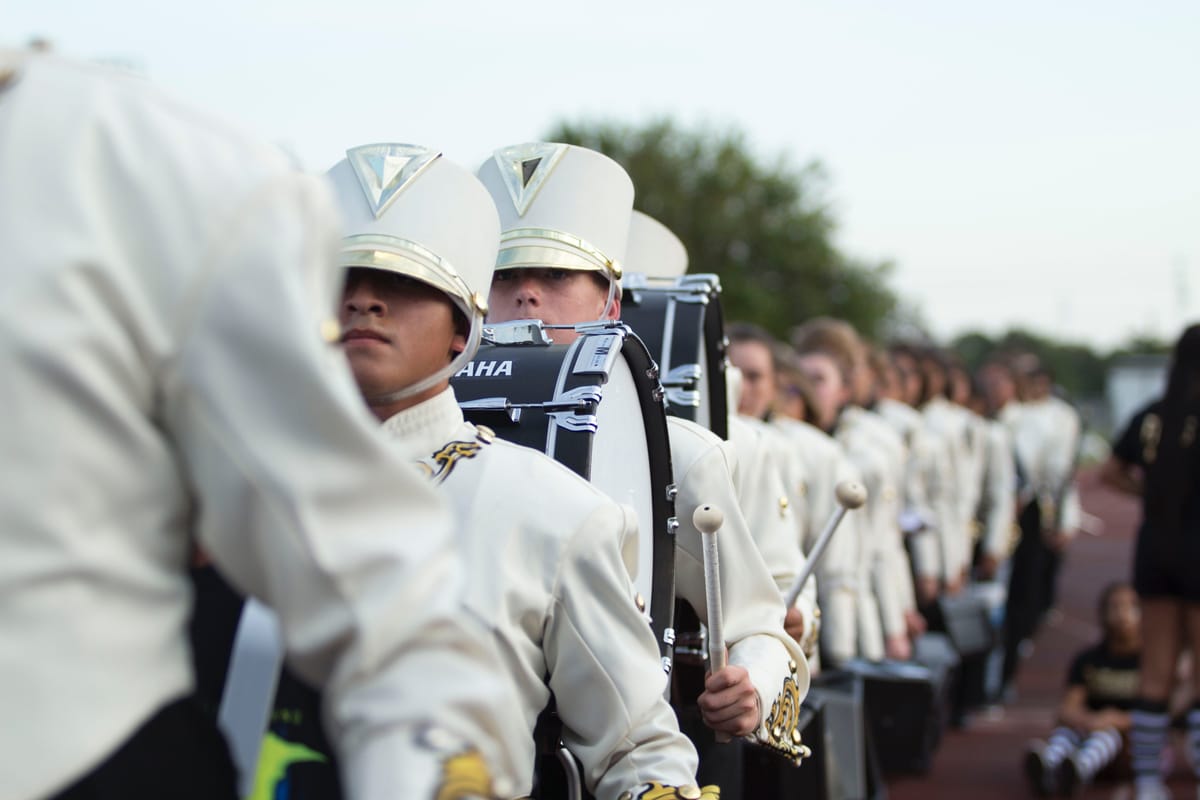
The mantra of my high school marching band teacher was, “If you’re on time, you’re late.” Our practice field was at the bottom of a grassy hill with no stairs, so if it had rained, the band members – half of whom were always late – would basically arrive via Slip ‘N Slide. The tubas and other big instruments had it the worst. If they headed down the hill at a good clip, they had a high risk of falling and skidding the rest of the way down, hugging their instruments. At the bottom of the hill, the latecomers would get up and attempt to join the already-in-motion marching formation, mud and grass chunks falling off them as they played. Our teacher would lower his chin and shake his head at the ground, his shellacked black hair disobeying him, too, as it left its designated spot.
I was reliably in the late group. The memory of running late for band – scheduled early in the morning before the start of school – haunts me to this day. To try to help me get up, my mom bought me an alarm clock that lit up slowly, mimicking the rising sun as the real thing became harder to come by on Iowa’s chilly fall mornings. A scented wax could be added to the clock that would melt as the bulb lit up, mimicking I have no idea what. The device worked miraculously on the first try, launching me out of bed as I tried desperately to get away from what smelled like a burning dryer sheet.
Trying to get out the door always had the air of an emergency in my house growing up. The buyer of the wax-melting alarm clock had her own trouble with getting places on time, which makes me think lateness is in my DNA. When she needed to be somewhere, to-do lists would start spontaneously populating in my mom's mind.
“We need to wash the windows!” she’d say to my dad as we were loading the car for a family car trip, forcing the operation to a halt. More often than not, my dad would oblige. Such was her power to derail whatever deadline had been set for leaving.
Everyone was frustrated during this process – my dad, who would’ve otherwise arrived on schedule, but also my mom. She took no enjoyment in it; she seemed to be an unwitting vessel for lateness. It was like she was possessed by it. Even the dog would be stressed, knowing something was up with the humans but unable to make out what it was. Molly would pace around the house panting nervously while my dad jumped the car (the battery would sometimes die from the trunk being left open for hours), and my mom cleaned out her makeup drawer or went on a frantic hunt for all the missing Tupperware lids.
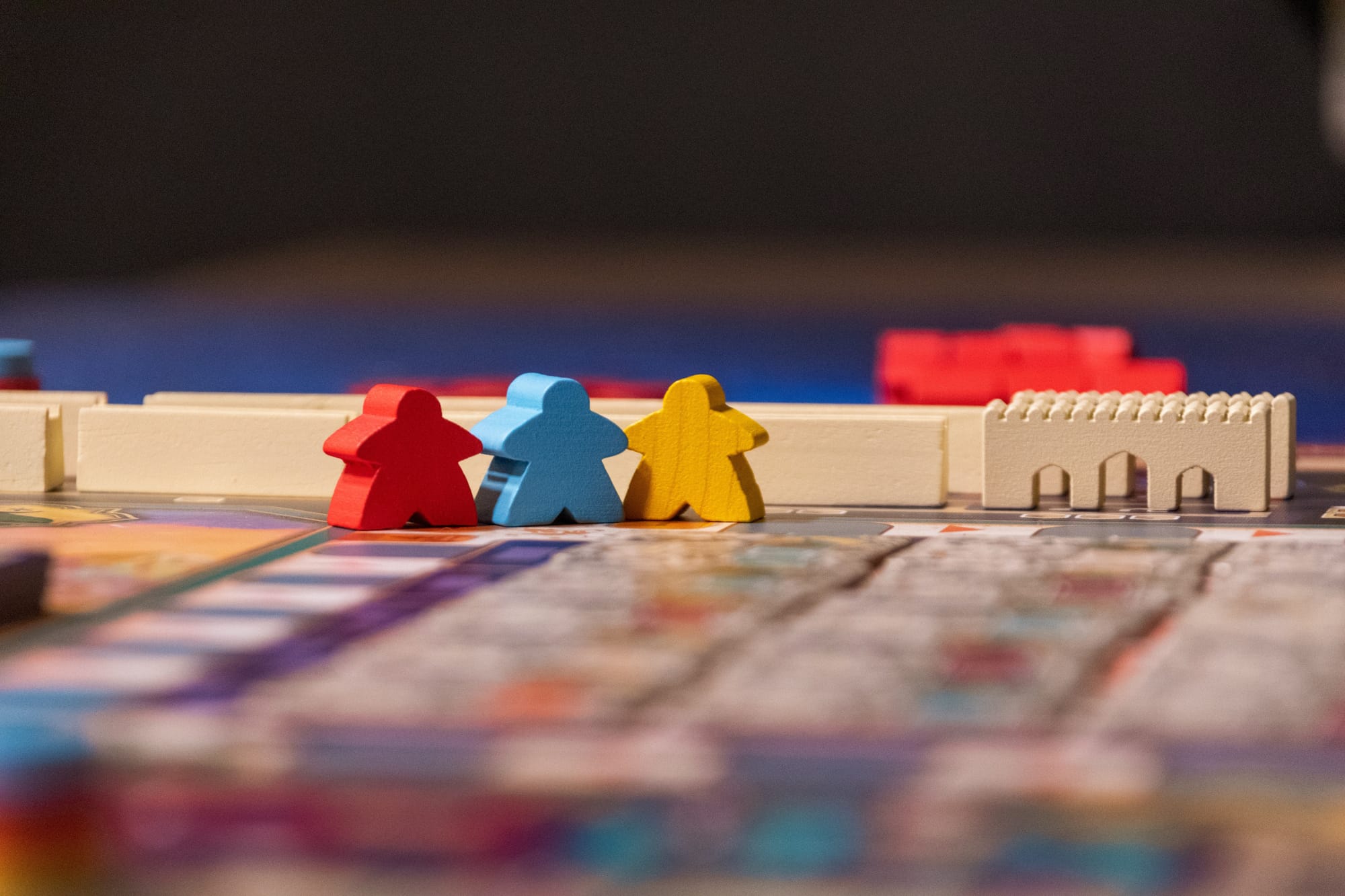
The timely half of the population is destined to be forever annoyed with the other half – shall we call them the chaos half? – myself included. I perpetuated my family’s cycle of pairing a chaos person with an order person by marrying an engineer who makes sense of the universe through deadlines and structure. To him, the world is a set of rules to be followed to generate predictable outcomes. He’s borderline romantic about it. I once caught him reading the rulebook of a board game that he wasn’t planning on playing anytime soon. For him, reading rules is reading for pleasure.
The most befuddling thing about him, though, is that he arrives at work 15 minutes early every day. To get to work 15 minutes early, I’d have to get up several hours in advance. Even then, it’d be iffy.
I wouldn’t say my lateness has served me well in the working world or otherwise – I’ve gotten in trouble for it numerous times – but I’m not sure I could change it. I worked at a museum for several years, a workplace that had all-staff touch-base meetings first thing every morning. I know. It was at the same time each day, but the days were not the same. Sometimes I needed five more minutes of sleep. Sometimes I was waiting for my pants to finish in the dryer – whatever. The point is I never made it on time. Well, sometimes I’d walk in right on time, but I’d learned that didn’t count.
It wasn’t a reflection of how much I liked the job or how seriously I took it. I put in the same mediocre effort that everyone did. In that way, it was much like band. The people sliding down the hill at the last minute weren’t necessarily the worst students or the laziest musicians. They were just the late people. And anywhere you go, they will always be there (eventually).
When the band was invited to march in the King Kamehameha Day Parade in Hawaii during my senior year of high school – a big honor and proof that habitual lateness hadn’t ruined us – our teacher insisted we wear our full wool uniforms, hat and everything. He wanted us to look as proper as possible. They were built to withstand the freezing temperatures that have a habit of arriving early in Iowa, and they didn’t jibe well with the Hawaiian summer. The tubas went down first; they really did have it the worst. Next, a couple of baritones and other big instrument players fainted, one taking a trumpet player with them.
The rest of us marched on anyway. We didn’t want to be late.